China’s involvement in the Arctic has expanded significantly since signing on to the Svalbard Treaty in 1925. Over the years, China has demonstrated a growing interest in the region, not only in terms of economic opportunities, but also in relation to scientific research. China has invested in research stations – Yellow River Station in Svalbard, and the China-Iceland Arctic Research Observatory in Kárhóll, Iceland – and scientific expeditions in the Arctic via Polar Research Vessels Xue Long (Snow Dragon), and Xue Long 2.

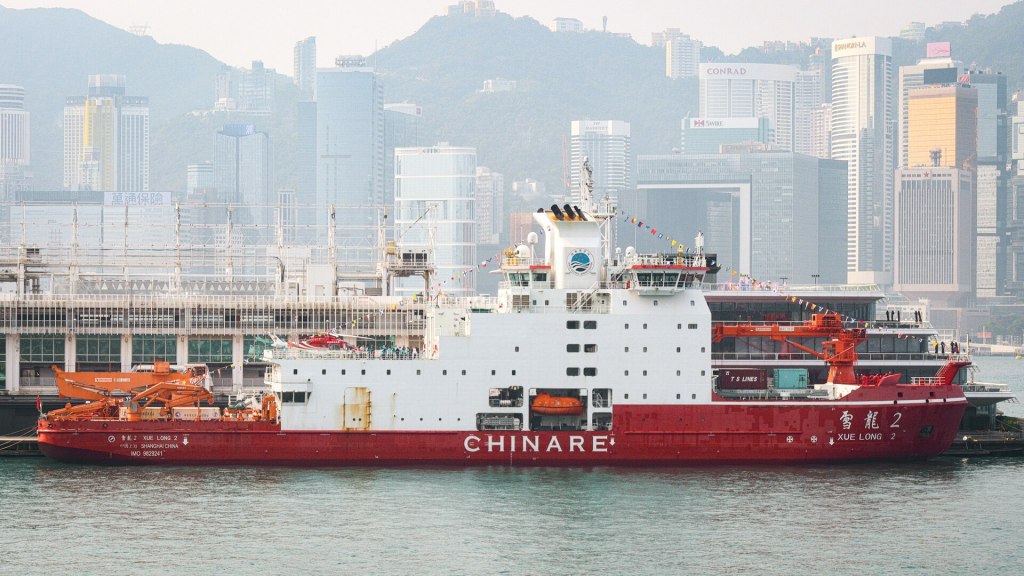
China’s 2024 addition to their polar research fleet is the “Ji Di” (Polar)1. Their fourth is scheduled for completion in 2025, currently referred to as, “Tan Suo San Hao” (Discovery Three).
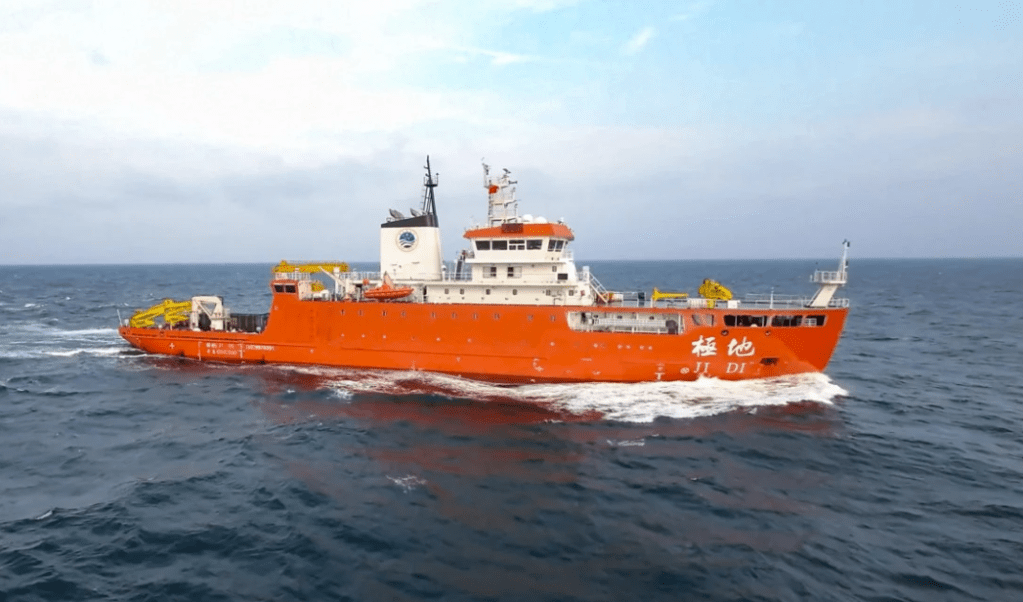
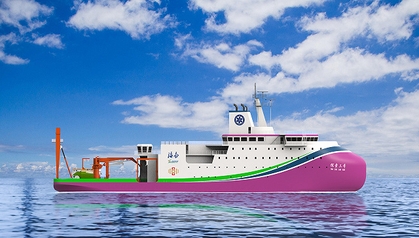
China’s arctic research vessels have been active in the Arctic region, and notable to Canada since 1999 when research vessel (RV) Xue Long appeared in the northern Canadian town of Tuktoyaktuk.
“In 1999, the icebreaker arrived unexpectedly in Tuktoyaktuk, Northwest Territories, Canada. Though the vessel had notified Canadian authorities that it was coming, the message was somehow disregarded, leaving the government and port officials unprepared.” 2
From 1999-2018, China conducted 9 Arctic research expeditions, focusing heavily on the Bering, Chukchi, and Beaufort sea regions. In 2019, Xue Long 2 was launched and has since conducted 4 Arctic research expeditions, following closely in the footsteps of its predecessor.

Few details are known about the breadth of research conducted by the Chinese polar vessels. However, in the February, 2023, the Canadian Government announced the recovery of a research buoy located within Canadian waters, said to have been placed by one of the Chinese polar research vessels. News that came weeks after an alleged ‘Chinese Spy Balloons‘ were shot down over Alaska, the Yukon, and Lake Huron.
Without future confirmation from classified sources in the Department of National Defence or the Canadian Armed Forces, the detailed capabilities of these Chinese research assets may never be fully known by the Canadian public. One thing they will know for certain is China’s interest in the Canadian Arctic continues to grow, and very little is being done to prevent it.
- China launches new polar icebreaker, “Ji Di”: https://www.scmp.com/news/china/diplomacy/article/3267898/chinas-expanding-next-generation-icebreaker-fleet-welcomes-jidi-its-newest-member ↩︎
- Xue Long in Tuktoyaktuk, 1999: https://www.cryopolitics.com/2010/06/30/icebreakers/ ↩︎
 Canadian Arctic Security
Leave a comment