What are the basic human rights?
According to the United Nations (UN):
Human rights are rights inherent to all human beings, regardless of race, sex, nationality, ethnicity, language, religion, or any other status. Human rights include the right to life and liberty, freedom from slavery and torture, freedom of opinion and expression, the right to work and education, and many more.
All 193 member states of the UN have signed on in agreement with the Universal Declaration of Human Rights (UDHR).
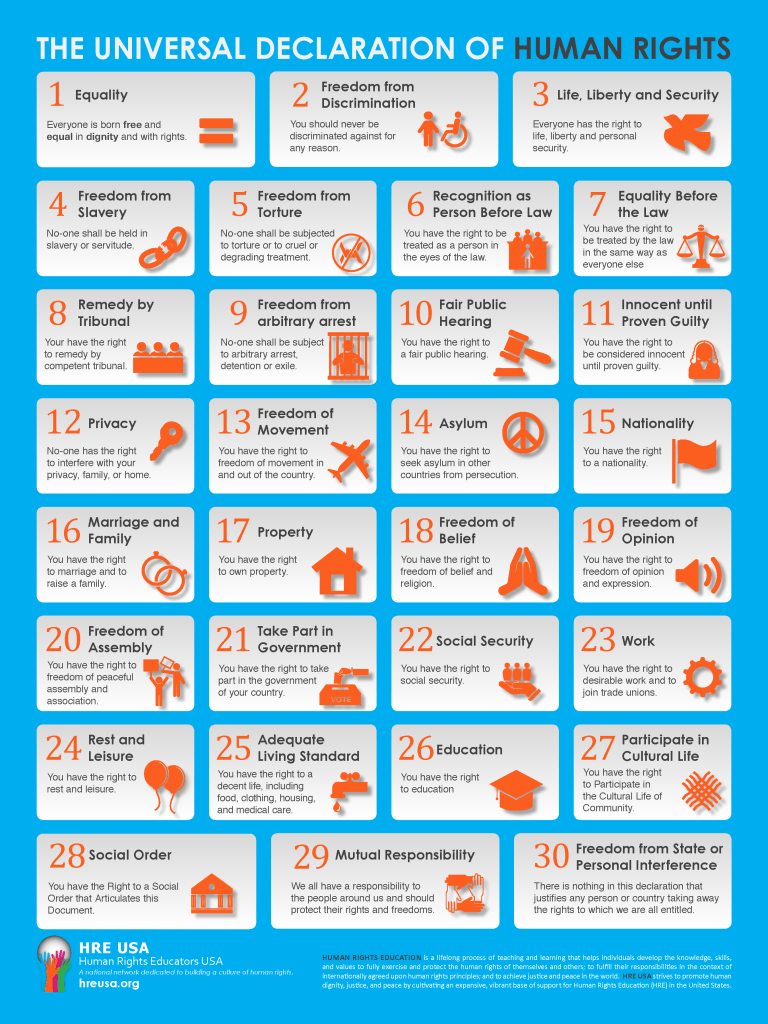
The UDHR was adopted by the UN General Assembly on December 10th, 1948.
It wasn’t until September 13th, 2007, almost 59 years later, that the United Nations Declaration on the Rights of Indigenous Peoples (UNDRIP) was adopted by the General Assembly.
At the time of writing this, it has been 16 years, 9 months, and 28 days since the adoption of UNDRIP. Canada is still failing to meet these basic rights for our First Nations, Métis and Inuit in the Arctic.
Inadequate Housing
- The average home contained 3.6 persons, compared to 2.5 in all Canadian households
- 22% (13,108 people) of homes were in need of major repairs, 20% reported problems with mold.
- 1 in 6 First Nations people, Métis and Inuit lived in housing considered not suitable.
- 19.7% (206,845 people) lived in a dwelling in need of major repairs.
While the percentages have decreased, the populations have grown to where 13,108 people inadequately housed has become 206,845.
Inadequate Food
- Physical availability and adequate supply.
- Economic and physical access to food.
- Food with sufficient nutrition.
- Food stability.
Inuit food insecurity is one of the longest-lasting public health crises faced by a Canadian population. According the the Inuit Health Survey conducted in 2022, 68.8% of Inuit households are food insecure – six times higher the Canadian national average1.
Rising food prices are forcing people to find new food sources, and longstanding traditions of sharing has become the lifeline of some remote communities2.
While there is no federal policy in place to end Inuit food insecurity, the Inuit Tapiriit Kanatami (ITK) – the national voice of 70,000 Inuit in Canada – have come up with the first road map ever developed for improved Inuit food security in Inuit Nunangat – the homeland of Canadian Inuit.
Inadequate Education
Only 49.2% of Indigenous adults had completed a postsecondary qualification in 2021. Among First Nations people, Métis and Inuit have shown higher rates of completion since 2016, but continue to lag behind the non-Indigenous popluation of Canada.
There are a number of barriers that Indigenous people face with obtaining higher levels of education.
- Funding and financial resources
- Lack of culturally relevant curricula
- Lack of confidence or feeling of unpreparedness
- Personal or family repsonsibilities
- Racism and descimination
- Intergenerational trauma
In addition to these and other considerations, most Indigenous people in the Canadian Arctic live in remote communities. Those who can afford to relocate may also experience culture shock, feelings of loneliness and isolation, and the lack of culturally appropriate support that may further impact their situation3.
Additional inadequacies exist in the different life expectancies between Indigenous and non-Indigenous Canadians, access to medical care, access to clothing and housing supplies, and cultural practices that are still not commonly recognized across in Canada.
Significant steps have been made in recent years to move towards reconciliation of the inadequacies that exist for the Indigenous peoples of Canada, but we have a long way to go.
- Food Security, Pauktuutit Inuit Women of Canada, 2024
https://pauktuutit.ca/social-and-economic-development/food-security/#:~:text=The%20Inuit%20Health%20Survey%20found,country%20part%20of%20the%20OECD. ↩︎ - Inflation Crisis, Global News, 2022 https://globalnews.ca/news/9035232/inflation-crisis-food-prices-northern-canada/ ↩︎
- Statistics Canada, Postsecondary educational attainment and labor market outcomes among Indigenous peoples in Canada, findings from the 2021 Census, October 2023
https://www150.statcan.gc.ca/n1/pub/75-006-x/2023001/article/00012-eng.htm ↩︎
 Canadian Arctic Security
Leave a comment