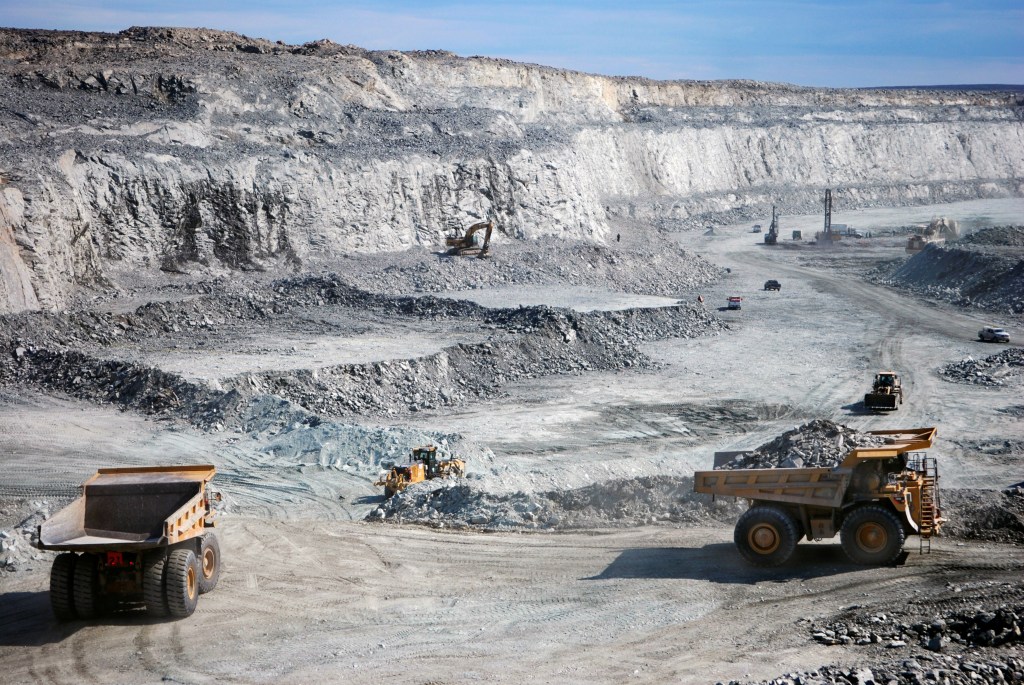
Image: The Globe and Mail, Mining the Arctic’s critical minerals is vital for Canada’s sovereignty, Northern prosperity
The Arctic region, encompassing the northernmost parts of Canada, has long been recognized for its natural resources, including minerals, oil and gas reserves, and its potential as a new maritime trade route due to melting sea ice. These resources have attracted interest from international investors seeking to capitalize on economic opportunities in a region increasingly accessible due to climate change and technological advancements.
Foreign investment in the Canadian Arctic spans various sectors, including mining, infrastructure development, energy, and transportation. Key players include countries such as China, the United States, European nations, and international conglomerates drawn by the region’s economic potential.
Areas of Foreign Investment:
- Mining and Resource Extraction: Foreign companies invest in mining operations to access minerals such as gold, zinc, nickel, and rare earth elements. These minerals are crucial for global industries, including technology, automotive, and renewable energy sectors.
- Infrastructure Development: Investments in infrastructure aim to improve connectivity and logistical capabilities in the Arctic. Projects include port developments, roads, and telecommunications networks to support resource extraction and enhance regional connectivity.
- Energy Exploration: Exploration for oil and gas continues in the Arctic, despite environmental concerns. Foreign energy companies explore offshore and onshore reserves, navigating regulatory challenges and environmental sensitivities.
- Shipping and Northern Sea Route: With melting sea ice, the Northern Sea Route (NSR) along Russia’s coast becomes more viable for commercial shipping between Asia and Europe. Foreign investors, including shipping companies, are investing in icebreaker technology and port facilities to capitalize on this emerging trade route.
The Canadian government regulates foreign investment in the Arctic through a framework aimed at balancing economic development with environmental protection, Indigenous rights, and national security considerations.
Regulatory Framework:
- Foreign Investment Review: Investments by foreign entities, especially those from state-owned enterprises (SOEs), undergo rigorous review under the Investment Canada Act. The government assesses the net benefit to Canada, ensuring investments contribute positively to the economy, technology transfer, and job creation while protecting national interests.
- Environmental Regulations: Projects in the Arctic must comply with stringent environmental regulations to mitigate impacts on sensitive ecosystems and wildlife. Ecological and environmental assessments are mandatory for resource extraction and infrastructure projects, considering long-term sustainability and climate change implications.
- Indigenous Consultation and Rights: Indigenous communities in the Arctic have constitutionally protected rights and play a crucial role in decision-making processes. The government mandates meaningful consultation with Indigenous groups to respect their traditional lands, address concerns about environmental impacts, and ensure they benefit from economic opportunities.
- Security and Sovereignty: Given the Arctic’s strategic importance, the Canadian government monitors foreign activities closely to safeguard national sovereignty and security interests. This includes monitoring foreign vessels, military presence, and adherence to international law in the region.
Challenges and Considerations
Foreign investment in the Canadian Arctic presents several challenges and considerations:
- Environmental Impact: Balancing economic development with environmental conservation is critical in a fragile ecosystem vulnerable to climate change.
- Indigenous Rights: Respecting Indigenous rights and land stewardship is essential for sustainable development and social license.
- Geopolitical Dynamics: Managing international relations and strategic competition while promoting cooperation in Arctic governance and resource management.
Future Directions: Sustainable Development and Collaboration
Looking ahead, promoting sustainable development in the Arctic through responsible foreign investment, environmental stewardship, and inclusive governance is key. Collaboration with Indigenous communities, international partners, and Arctic Council members will be crucial in addressing shared challenges and opportunities in the region.
Foreign investment in the Canadian Arctic holds promise for economic growth and regional development but must be managed carefully to ensure long-term sustainability, environmental protection, and respect for Indigenous rights. The Canadian government’s regulatory framework aims to strike a balance between economic opportunity and national interests, navigating complex geopolitical dynamics while preserving the Arctic’s unique natural and cultural heritage for future generations.
 Canadian Arctic Security
Leave a comment